Skiing Chamonix: the Ultimate Ski Destination in the French Alps
Timeless Wanderers: Updated October10, 2026

What Makes Chamonix Stand Out Among Alpine Ski Resorts
Chamonix-Mont-Blanc, usually known simply as Chamonix, is one of the most famous ski destinations in the world.
Located in the French Alps at the foot of Mont Blanc, Western Europe’s highest mountain, it has an extraordinary setting that draws skiers and mountain lovers from across the globe.
Unlike many purpose-built ski resorts, Chamonix is a real Alpine town sitting on the valley floor, surrounded by towering peaks, steep cliffs and glaciers.
Wherever you go, the mountains are a constant presence, creating a dramatic backdrop to the town’s cafés, restaurants, shops and traditional streets.
Chamonix has a long history of mountaineering and winter sports, and it remains a major destination for experienced skiers and freeriders seeking challenging terrain.
The famous Vallée Blanche off-piste descent is one of the area’s best-known adventures, although it requires the right conditions and a qualified mountain guide.
But Chamonix isn’t only for expert skiers.
Beginners, intermediate skiers and families can also find suitable slopes, ski schools and winter activities across the different ski areas.
Away from the pistes, there’s plenty to enjoy, from lively après-ski bars and excellent restaurants to spectacular mountain viewpoints and walks around town.
The atmosphere feels different from a traditional ski-in, ski-out resort because Chamonix combines everyday town life with a world-class mountain destination.
In this guide, we’ll explore the Chamonix ski areas, lift passes, where to stay, top restaurants, the best après-ski spots and how to get there, helping you plan your ski holiday in one of the French Alps’ most iconic destinations.
Table of Contents

We can plan your Dream Ski Trip to Europe: Custom Itineraries for the Perfect winter Holiday.
With over 25 years of experience skiing in over 50 different ski resorts in Europe, we can help you plan your perfect winter escape.
Planning a ski trip to Europe can be exciting, but choosing the right resort and organising the perfect itinerary can quickly become overwhelming.
That’s where we come in.
We offer a personalised planning service that helps you decide exactly where to ski, based on your style, budget, and experience.
“Plus, we can help you plan a fun week of European sightseeing around your ski trip, making your winter holiday easier, smoother, and full of unforgettable memories.”
“Let us plan your perfect trip with a custom itinerary designed just for you.
Fill out the form and let’s begin your dream.”

What Is Chamonix Town Really Like?
Chamonix is a busy, lively Alpine town with plenty going on throughout the ski season.
A river runs through the centre, and the pedestrian streets around the main square have traditional buildings, churches, cafés and shops that give parts of the town a lovely European feel.
However, we have mixed feelings about Chamonix itself.
While some streets are attractive, other parts of the centre are dominated by less appealing modern buildings and apartment blocks.
Beyond the main pedestrian areas, it can feel much like any busy town, which takes away some of the Alpine atmosphere you might expect from a resort surrounded by such spectacular mountains.
There is certainly no shortage of places to eat, drink and shop.
You’ll find everything from excellent restaurants and welcoming bars to outdoor shops and everyday essentials.
As with any major tourist destination, though, some places are much better than others, so it’s worth doing a little research before choosing where to eat.
Getting to the Ski Slopes
For us, one of Chamonix’s biggest drawbacks is getting to and from the ski areas, particularly if you’re travelling with young children.
Unlike a resort where most slopes connect directly to the village, Chamonix has several separate ski areas spread along the valley.
Depending on where you’re staying and which area you want to ski, you’ll often need to use a bus or another form of transport.
Brévent–Flégère is relatively close to the town centre, but getting to the lift can still involve an uphill walk depending on where you’re staying.
That isn’t always ideal when you’re carrying skis and helping children get ready for a day on the mountain.
The Aiguille du Midi cable car is much easier to reach from the centre, but it’s important to understand what it offers skiers.
It takes you up to the starting point for the famous Vallée Blanche descent, a high-mountain off-piste route of around 20 kilometres.
This is not a conventional ski area with groomed pistes and ordinary ski lifts at the top.
The descent involves glaciated terrain and should only be attempted with appropriate mountain expertise, normally with a qualified guide.
If you’re staying for a week, you’ll probably want to explore more than one ski area.
Chamonix’s bus network connects the main resorts, and ski buses are generally included for eligible lift-pass holders, but services can become crowded during busy periods.
Allow extra time for travelling, especially during school holidays.
Is Chamonix a Good Choice for Families?
Chamonix can be a fantastic destination for families who want a lively town, impressive mountain scenery and a choice of ski areas.
However, the logistics need more thought than they do at many compact Alpine resorts.
Choosing accommodation carefully, checking the nearest bus stops and planning which ski area to visit each day can make a real difference.
For families who want to explore different areas or make the most of changing snow and weather conditions, hiring a qualified local ski guide can be a good option.
A guide can help you choose suitable terrain and navigate the mountain safely.
Some guides may also be able to arrange transport, but collection and drop-off at your accommodation should be confirmed when booking.
Chamonix is not the easiest resort for every family, particularly those with very young children who want to walk straight from their accommodation to the lifts.
But if you’re happy to plan ahead and travel between ski areas, the variety of skiing and the extraordinary mountain setting can make it a memorable place to ski.

Understanding the Chamonix Ski Areas
One of the first things to understand about skiing in Chamonix is that the ski areas are spread throughout the valley rather than connected by lifts.
This gives you a choice of very different mountain experiences, but it also means you need to plan where you’ll ski each day and how you’ll get there.
The terrain ranges from gentle beginner slopes to steep, challenging descents and high-mountain off-piste routes.
Choosing the right area depends on your skiing ability, the weather, snow conditions and the type of day you want on the mountain.
Grands Montets: Best for Strong Intermediate and Advanced Skiers
Altitude: approximately 1,235–3,300 metres
Grands Montets, above Argentière, is one of Chamonix’s best-known ski areas for confident skiers.
It has a high-mountain setting, challenging pistes and access to some impressive off-piste terrain when conditions permit.
The upper mountain is particularly appealing to experienced skiers who enjoy steeper runs and a more demanding day on the slopes.
There are also opportunities for strong intermediates, although this area is generally best suited to skiers who are comfortable on red runs and, where open, more difficult terrain.
Snow conditions can be excellent, but the available lifts and runs vary with the weather and operating arrangements, so check the latest piste report before setting out.
Grands Montets also has a snow park and boardercross facilities when operating.
The lower mountain has pistes leading back towards Argentière, although the available return routes depend on which lifts and runs are open.
Our tip:
Always wear a properly fitted ski helmet, especially if you’re using the snow park or exploring more challenging terrain. A helmet is a sensible part of every skier’s kit, whatever their ability.
Brevent-Flegere (1235m-3300m): These are the only connected resorts in Chamonix usually referred to as Brevent Flegere.
They are also the most scenic, offering stunning views of Mont Blanc on a fine day.
The interconnected area is ideal for intermediates skiers, with long scenic runs and a good balance of red and blue slopes.
LeTour/ Vallorcine (1,265m-2,270m)
Located at the northern end of the valley this area offers wide gentle slopes that are perfect for beginners and families.
It also has great off-piste opportunities, with scenic tree runs and beautiful descents into the neighboring Vallorcine valley.

La Balme: Best for Beginners and Intermediate Skiers
Altitude: approximately 1,453–2,270 metres
Located near the village of Le Tour at the head of the Chamonix Valley, La Balme is a good option for beginners and intermediate skiers looking for a more relaxed day on the mountain.
The area has open slopes, wide runs and lovely tree-lined pistes lower down.
Its mix of terrain makes it a pleasant place to build confidence, practise turns and enjoy cruising around the mountain without feeling that every run needs to be a challenge.
La Balme can also be a good alternative when other parts of the valley are busy.
Snow conditions vary, of course, so it’s worth checking the current piste report before choosing where to ski.
Best for: Beginners, intermediates and anyone looking for a relaxed day on the slopes.
Les Houches: Our Favourite for Skiing with Children
Altitude: approximately 950–1,900 metres
Les Houches was our favourite place to ski with the kids, and it’s an area we’d recommend to families looking for a more relaxed skiing experience.
Situated towards the start of the Chamonix Valley, Les Houches has a different feel from the high, rugged terrain that Chamonix is famous for.
Many of its runs wind through the trees, creating a lovely setting for skiing, particularly on days when the weather closes in and visibility becomes more difficult on exposed slopes.
There is a good range of pistes for different abilities, including runs where families can ski together and enjoy a less demanding day.
We also liked the mountain restaurants, which give you a welcome chance to stop for lunch and take a break before heading back out.
Les Houches is often a useful option when cloud or snowfall makes higher areas less appealing, although conditions and visibility can still vary.
Its lower altitude also means snow conditions may be less reliable than in some of Chamonix’s higher ski areas.
Best for:
Families, relaxed skiing, tree-lined runs and days when higher slopes have poor visibility.
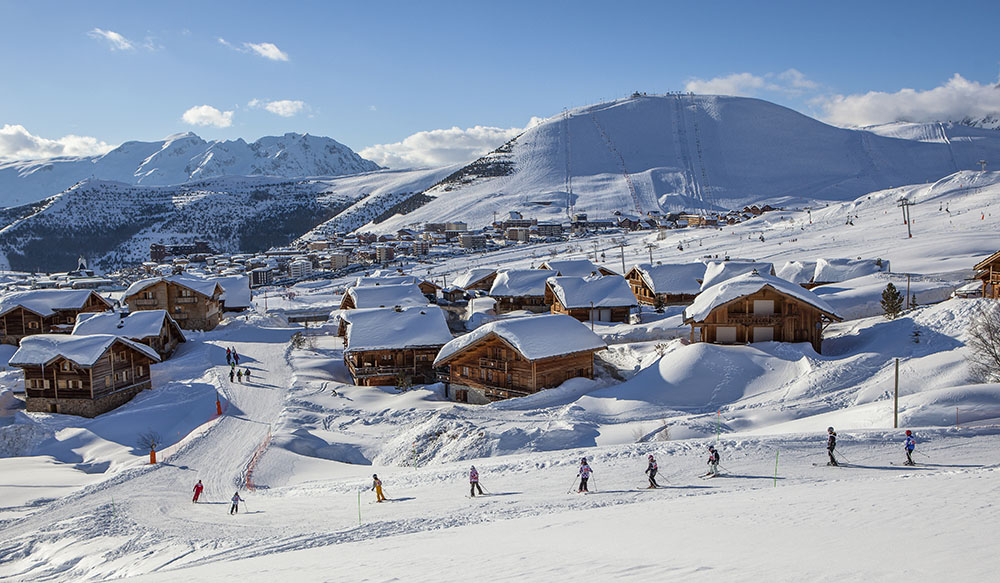

Aiguille du Midi
This is not another ski area.
Aiguille du Midi has no lifts or pistes, just two sensational cable cars that take you from 1035m to 3840 m in 20 minutes and one incredible 20km off-piste run back to the village.
Attracting freeride skiers from all over the world, the Vallee Blanche is a must for advanced skiers, with stunning views of the Mont Blanc Massif and surrounding glaciers.
A guide is highly recommended due to the glacier’s crevasses and varied conditions.
Even if you’re not skiing, a ride up in the cable car to the cafeteria (claimed to be Europe’s highest) is well worth it for the stunning views.
Don’t forget your GOPRO or your INSTA360 for all those action shots of family and friends.

COURMAYEUR, ITALY
If you have a 2-21 day unlimited pass you can ski in Courmayeur, approximately 40 km away, access is via daily shuttles from Chamonix (for a fee) or via the cable cars that link to Aiguille du Midi.
Chamonix for Families.
Chamonix is not the most ideal resort for families, the biggest reason is the lack of convenient access to ski areas which will make it challenging at the start of the day and end of day.
Secondly, unless your kids are gun skiers there is limited beginner and lower intermediate terrain for them to enjoy.
Most of the ski schools do have childcare facilities, Les Houches or Balme would be your best bet for kids’ ski school.
Wear a SKI HELMET, especially if you’re a beginner or in the snow park and remember to pack your SKI GOGGLES for Chamonix.

Chamonix Ski Passes
Choosing the right ski pass for Chamonix depends on which ski areas you want to explore, your skiing ability and whether you plan to venture beyond the valley.
Because the ski areas are spread out rather than connected by lifts, it’s worth deciding how much variety you want before buying your pass.
Chamonix Le Pass
Chamonix Le Pass is designed for visitors who want to ski selected areas of the Chamonix Valley without necessarily needing access to every high-mountain attraction.
Depending on the current pass conditions, it covers areas such as Brévent–Flégère and Balme, along with beginner skiing areas.
Check the latest inclusions carefully, particularly if you plan to ski Les Houches, as access can depend on the specific pass and season.
This can be a practical choice for beginners, intermediate skiers and visitors who intend to concentrate on a smaller selection of ski areas during their stay.
Mont Blanc Unlimited Pass
If you want to explore more widely, the Mont Blanc Unlimited pass offers broader access to mountain experiences across the region.
Depending on the current terms, it can include ski areas in the Chamonix Valley and access to selected destinations across the French, Italian and Swiss Alps.
The pass may also include access to attractions such as the Aiguille du Midi cable car and the Montenvers railway to the Mer de Glace, subject to seasonal operation and pass conditions.
Access to Courmayeur and other destinations can also depend on the current terms, so check the details before making plans.
This option is particularly appealing to experienced skiers who want to explore different areas and to visitors who would like to combine skiing with some of Chamonix’s famous mountain excursions.
Remember that the Aiguille du Midi is the access point for the Vallée Blanche off-piste descent, not a conventional ski area with groomed pistes.
Family Discounts and Buying Your Pass
Prices vary according to the pass, duration, age and travel dates.
Child and youth rates may be available, and some offers can make a difference for families travelling together.
It’s worth checking the official Chamonix ski-pass website before your trip to compare current prices and inclusions.
Buying online may save time at the ticket office, while checking the conditions in advance helps you avoid paying for access you don’t need.
For more comfort and convenience, compare these car rentals: DISCOVER CARS


Accommodation in Chamonix.
Chamonix offers 5 star-luxury to budget hotels, or stylish to simply catering apartments, and budget-friendly hostels.
Everything is fairly spread out, and some areas are better than others, if you want to easily walk around town.
Look at the location carefully since you want to be near the bus stops to easily get to the ski areas.
Luxury Hotels
HOTEL MONT-BLANC CHAMONIX: a five-star hotel in the heart of Chamonix offering elegant rooms, a full-service spa and gourmet restaurant.
The outdoor heated pool and hot tub provide stunning views of Mont Blanc making it a favorite for luxury travelers.
Le Hameau Albert 1er: A historic hotel that blends traditional alpine charm with modern comforts. It features beautiful rooms and suites, a Michelin- starred restaurant, and a wellness centre with indoor/outdoor pool.
Chalets and Apartments
Chamonix is known for its beautiful wooden chalets, which offer a more private and home-like atmosphere.
Perfect for families or groups looking to self-cater and more space.
Chalet Les Frenes: a charming chalet offering spectacular views and comfortable rooms. It’s ideal for those seeking a cozy mountain retreat.
La folie Douce Hotel Chamonix: this hotel has a range of rooms and apartments offering a lively atmosphere with great facilities.
Budget-Friendly options.
For those looking to save on accommodation, Chamonix also offers hostels and budget hotels that provide simple yet comfortable lodging.
Chamonix Lodge: A popular choice among backpackers and budget-conscious travellers, offering dorm-style rooms as well as private rooms.
Gite La Chamoniard Volant: A basic but cozy hostel with a friendly atmosphere, perfect for those looking for a simple and affordable place to stay.
Family-friendly Stays:
Many hotels and chalets in Chamonix cater to families, offering amenities like family suites, play areas, and easy access to the ski schools.
HOTEL LE REFUGE des AIGLONS: A four-star family-friendly hotel featuring a heated outdoor pool, spa facilities, and close to the town centre and ski bus station.
More Accommodation: Check Rates and Book Your Stay.

I always carry a DAY BACKPACK when skiing as well as a WATER BOTTLE, it keeps me hydrated all day long on the slopes.

Where to Eat in Chamonix
Chamonix boasts a diverse dining scene, ranging from traditional Savoyard cuisine to international flavors. Here are some great places to eat.
Fine Dining –
Albert 1er:
A Michelin-starred restaurant offering refined cuisine.
La Panier des 4 Saisons:
Known for its elegant atmosphere and gourmet dishes, offering a selection of French and Savoyard cuisine.
Savoyard Specialities –
Chamonix is the perfect place to indulge in hearty Alpine dishes like fondue, raclette, and tartiflette.
La Caleche:
A classic Savoyard restaurant with a rustic, cozy ambience. Here, you can enjoy local specialities like raclette, fondue, and charcuterie platters.
Le Monchu:
A welcoming restaurant with an extensive menu of Savoyard dishes, perfect for a warming meal after a day on the slopes.
Casual Eateries –
If you’re looking for something quick and delicious, Chamonix has plenty of casual options.
Bighorn Bistro & Bakery:
An American-style bistro offering everything from burgers and BBQ chickens to fresh-baked goods.
Moody Coffee Roasters:
For a great coffee and quick bite, this cozy café is a popular spot with locals and tourists.
Family-Friendly Restaurants –
Many restaurants in Chamonix cater to families, offering kids menus and relaxed atmospheres.
La Poele:
Known for its generous portions and family friendly vibe, this restaurant serves hearty meals that kids will love, including pizzas and pastas.


Apre-ski Bars in Chamonix.
Chamonix is known for its lively apres-ski scene, with a wide range of bars and clubs where you can unwind after a day on the slopes.
La Folie Douce Chamonix: Famous for its high-energy apres-ski parties, it’s the perfect spot to dance the afternoon away with stunning views of Mont Blanc.
Moo Bar: Known for its great craft beer selection, delicious burgers, and a relaxed atmosphere.
Monkey Bar: Situated in Chamonix south area, a more relaxed vibe with live music. It’s a popular spot among locals and tourists.
Chambre Neuf: Near the Chamonix train station, Chambre Neuf is a popular apres-ski bar known for its live music and lively atmosphere. It’s a favorite among Scandinavian visitors.
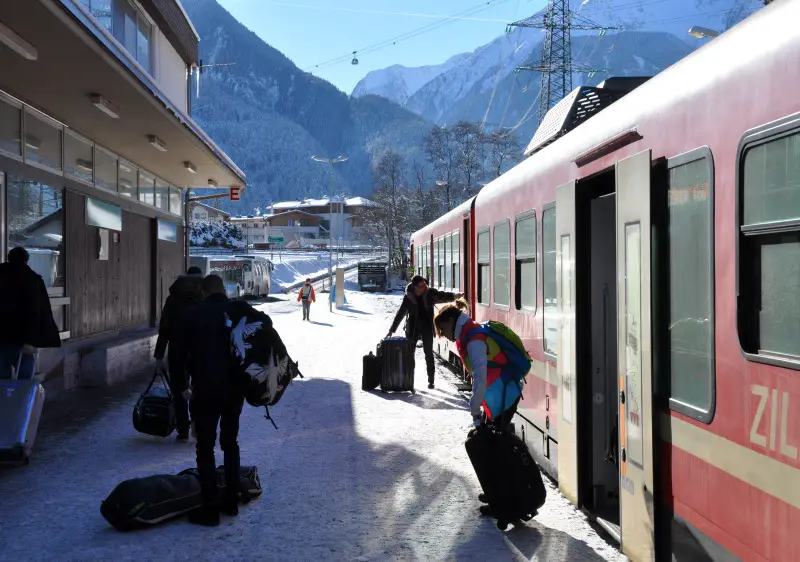
How to get to Chamonix
Chamonix is easily accessible from major European cities, making it a convenient destination for winter ski enthusiasts from all over the world.
By Air:
The nearest airport to Chamonix is Geneva International Airport, located about 90km away.
It’s a major hub for international flights and is well-connected to Chamonix via various transfer services.
From Geneva, you can reach Chamonix by SHUTTLE BUS, Private TRANSFER or RENTAL CAR. The drive takes just over an hour. Compare FLIGHTS HERE to Geneva
By Train:
Chamonix is served by the MONT BLANC EXPRESS, a scenic train line that connects the town with Swiss boarder and near by town of ST. Gervais-les-Bains.
From here, you can connect to the French national railway, making it possible to reach Chamonix by TRAIN from cities like Paris and Lyon.
By Car:
Driving to Chamonix is very easy, the resort is well connected by highways. The drive from Geneva takes just over an hour, and around 2 hours from Lyon. You can book a CAR RENTAL from Geneva Airport.
BY BUS:
Direct shuttle services are available from Geneva and other major cities to Chamonix, particularly during the ski season. Companies like ALPY BUS offer frequent services that can take you directly to Chamonix.
ALPS2ALPS:
Getting to France’s best ski resorts couldn’t be easier than with ALPS2ALPS offering both airport and train station transfers. Private transfers are a popular choice, as you will not be sharing with others or waiting at the airport as your driver will be waiting for you on arrival.
Once in Chamonix, getting around is easy thanks to free ski buses that connect to different ski areas.
For more comfort and convenience, compare these car rentals: DISCOVER CARS
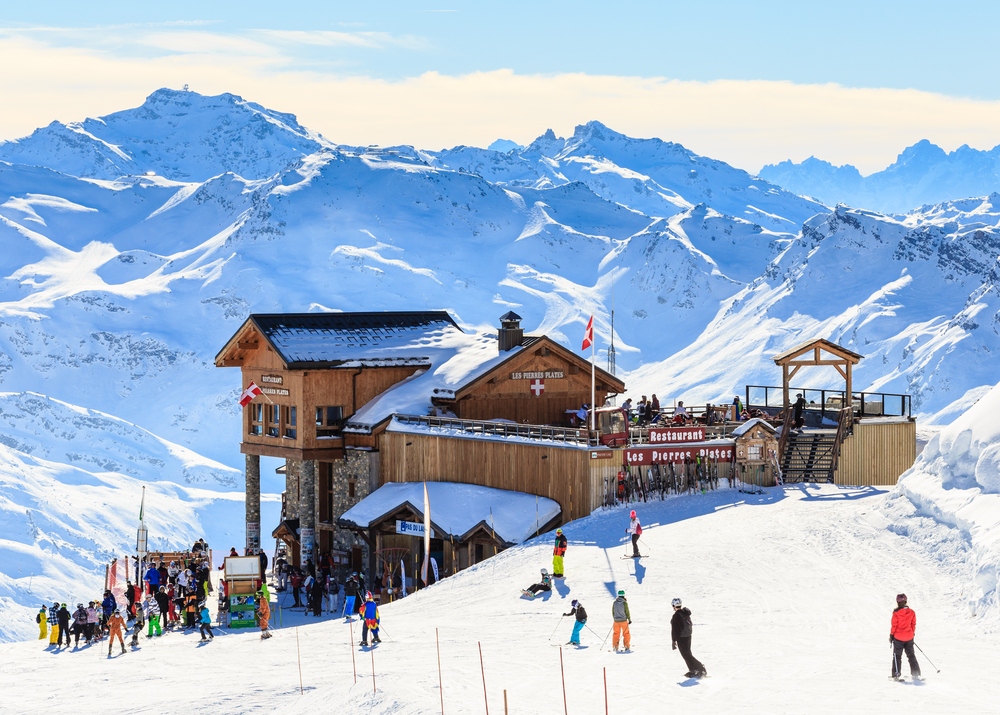
Our Full Guide On The
7 Best Snow-Sure Ski Resorts in France (2026/27 Guide)

Planning Your Chamonix Trip
Timing:
The ski season in Chamonix typically runs from mid-December to late April, with the best snow conditions between January and March.
Late February often offers great weather and fewer crowds.
Booking:
Chamonix is one of France’s most popular ski destinations, so book early during Christmas, New Year, and French school holidays.
Accommodation ranges from budget chalets to luxury hotels like Hotel Mont-Blanc and Les Granges d’en Haut.
Transport:
Fly into Geneva Airport (1.5 hours) — the easiest gateway to Chamonix.
Regular shuttles, trains, and private transfers connect the airport to the resort.
The town itself has good local buses and trains serving nearby ski areas.
Ski Passes:
The Mont Blanc Unlimited Pass provides access to multiple ski areas, including Les Houches, Brévent-Flégère, Grands Montets, and even Courmayeur in Italy.
It’s ideal for skiers who want variety and cross-border adventures.
Packing:
Bring layered ski clothing, waterproof outerwear, thermals, snow boots, and evening wear for après-ski or dining out.
Don’t forget sunglasses and sunscreen — the altitude sun can be strong.
Activities:
Beyond skiing, try paragliding, ice climbing, snowshoeing, or take the Aiguille du Midi cable car for sweeping views of Mont Blanc.
The Alpine Museum and Chamonix Ice Cave are great family activities.
Dining:
Enjoy mountain cuisine and international flavors — La Calèche offers Savoyard specialties, while Munchie and Bighorn Bistro are popular for casual dining.
Book restaurants early during peak weeks.
Local Tips:
Check the Mont Blanc weather and avalanche reports daily.
Parking can be limited, so use public transport within the valley.
Purchase ski insurance if planning to ski off-piste.

Frequently Asked Questions
1. When is the best time to visit Chamonix for skiing?
The best skiing months are January to March, though early December and April can still offer good snow at higher altitudes.
2. Is Chamonix suitable for beginners?
Yes, though it’s known for its advanced terrain, beginners can learn in Les Houches or La Vormaine, which offer gentle slopes and excellent ski schools.
3. How do I get to Chamonix from Geneva?
Regular airport shuttles run every hour, taking about 90 minutes. Trains and car rentals are also available for flexibility.
For more comfort and convenience, compare these car rentals: DISCOVER CARS
4. What kind of accommodation is available?
There’s a wide range — from budget-friendly lodges and apartments to luxury stays like Hotel Mont-Blanc or Les Aiglons Resort & Spa.
5. Are there activities for non-skiers?
Absolutely. Take the Aiguille du Midi cable car, explore the Mer de Glace Ice Cave, enjoy spa days, or go shopping in Chamonix’s lively town center.
6. Can families enjoy Chamonix?
Yes, with dedicated ski schools, child-friendly zones, and nearby family slopes in Les Houches, Chamonix suits families as well as serious skiers.
7. How expensive is Chamonix?
Chamonix ranges from mid to high-end in price. Budget travelers can find affordable lodges and apartments if booked early.
8. Is Chamonix good for snowboarding?
Definitely. The resort is popular with snowboarders, offering terrain parks, off-piste runs, and natural half-pipes across the valley.
9. What ski pass should I buy?
The Mont Blanc Unlimited Pass is best for multi-area access, including Courmayeur (Italy) and Verbier (Switzerland) — ideal for longer stays.
10. Are there guided off-piste options?
Yes — hire certified mountain guides for iconic routes like the Vallée Blanche, one of the most famous off-piste descents in Europe.

Should You Get Ski Travel Insurance?
(Short Answer: YES)
While ski resorts in Europe don’t legally require you to have travel insurance, buying ski-specific travel insurance is one of the smartest decisions you can make.
Mountain travel comes with real risks — from injuries on icy slopes to delayed flights, lost luggage, or damaged ski gear.
One accident or missed connection can cost far more than a full year of coverage.
If you want peace of mind on and off the mountain, ski travel insurance is essential.
As a traveller and skier myself, I’ve consistently found SafetyWing offers some of the best winter-sports coverage for international ski trips.
Best Ski Travel Insurance Companies for 2025/26
Two companies consistently stand out for skiers, each for different reasons.
1. SafetyWing
(Best for Long-Term Ski Travel & Affordability)
We personally use SafetyWing, and have since 2019.
It’s perfect for skiers spending multiple weeks or a whole season abroad.
You can get a Quote here.
When my wife broke her ankle skiing in Wengen, they were fantastic, they paid for all our expenses without any delay.
2. World Nomads
(Best for Adventure Coverage)
If you’re planning a trip that includes off-piste skiing with a guide, winter hiking, or multiple snow sports, World Nomads often provides broader adventure coverage.
They’re a favourite among travellers who want all activities covered under one policy.
Check Rates Here.
Even experienced skiers will tell you — it only takes one icy patch to ruin both a knee and a bank account.
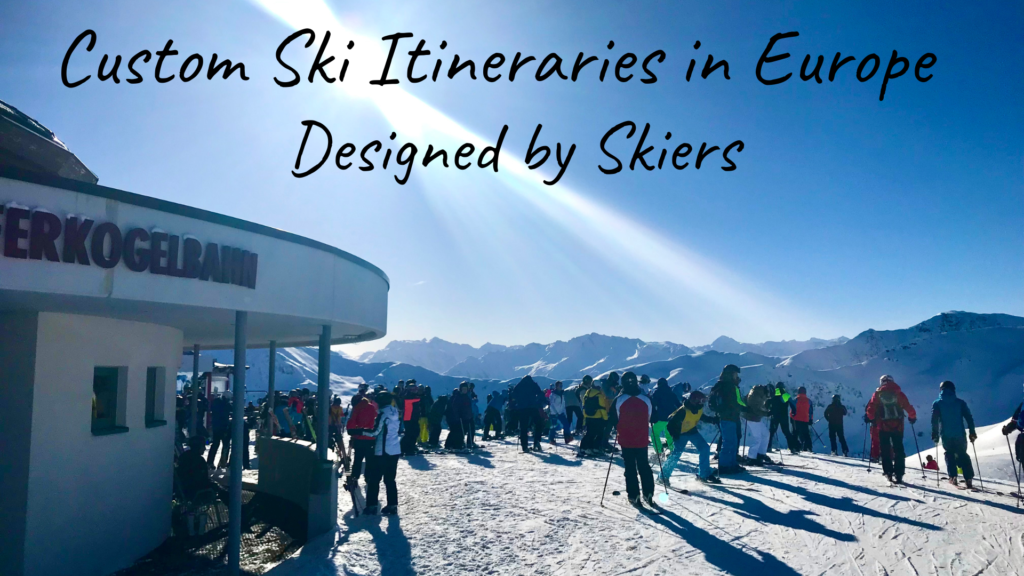
We Can Help Plan Your Adventure
Custom Ski Itineraries in Europe Designed For You
Resort activities
1. Montenvers Mer de Glace
Visit the famous glacier via the Montenvers train and explore the ice cave and glacial museum.
2. Snowshoeing Discover winter beauty on guided snowshoeing excursions through its serene alpine trails.
3. Paragliding
Experience an adrenaline rush and stunning aerial views by paragliding over the Chamonix Valley.
4. Ice Skating Enjoy skating at Chamonix’s indoor rink, suitable for all ages and a fun family-friendly activity.
5. Spa and Wellness
Relax at one of Chamonix’s luxury spas, offering saunas, hot tubs, and rejuvenating treatments with spectacular mountain views.
6. Aiguille du Midi Cable Car
Take the iconic cable car to Aiguille du Midi for breathtaking views of Mont Blanc and the surrounding Alps.
*Handy Tip*
Make sure you have TRAVEL INSURANCE before hitting the slopes.
Final Thoughts
Chamonix is one of the most iconic ski destinations in the French Alps, and it’s easy to understand why it attracts skiers from all over the world.
With Mont Blanc towering above the valley, spectacular mountain scenery and a choice of ski areas, it offers a very different experience from many of Europe’s purpose-built ski resorts.
What makes Chamonix special is the variety.
Strong skiers can seek out challenging pistes and legendary off-piste descents, while beginners, intermediates and families have other areas to explore.
Away from the slopes, you’ll find plenty of restaurants, cafés, shops and après-ski bars, giving the town a lively atmosphere throughout the winter season.
However, Chamonix isn’t without its drawbacks.
The ski areas are spread throughout the valley, so you’ll need to plan your journeys and may find yourself relying on buses, particularly if you’re travelling with children.
Choosing your accommodation carefully can make a big difference to how easy your holiday feels.
Our advice is to think about what matters most to you before booking.
If you’re looking for a compact resort where you can walk straight from your hotel to connected pistes, Chamonix may not be the easiest choice.
But if you love dramatic mountain scenery, varied skiing and the atmosphere of a real Alpine town, it deserves serious consideration.
With a little planning, Chamonix can be an outstanding base for a ski holiday in the French Alps.
Happy Skiing! ⛷️
Gary and Sally
Timeless Wanderers
Other Resorts we love in France


Plan your Ski Adventure
Booking a ski trip involves a range of reliable resources to ensure a smooth and enjoyable experience. I have listed below our favorite companies we use when we plan our ski holiday.
Ski World– They have been taking customers to the best ski resorts in Europe, the US and Canada for more than 36 years.
BOOK YOUR FLIGHT – Going is a great search engine if you are flexible about your travel destination and dates. Sign up for their newsletter and get the latest deals on destinations around the world. GOING is our new go to.
Booking.com– for accommodation, we rely on Booking.com for its extensive options and user reviews. We find they have the cheapest rates and offer payment options. In addition, VRBO is another terrific website for all types of accommodations.
Train Travel– to European ski resorts is convenient and scenic, popular trips include Glacier express to Zermatt, the Eurostar from London to the French Alps. We find Omio or Trainline are the best sites for booking trains in Europe.
Car Hire – we usually hire a car it offers us flexibility and convenience, allowing easy access to most resorts. Companies like Discover Cars or Rentalcars.com provide reliable options with winter equipment.
Travel insurance– Don’t ski without it. If you get hurt on the mountain it could cost, you a small fortune if you’re not insured. We use SAFETYWING when my wife broke her ankle a few years ago in Wengen they were terrific.
Ski Equipment. – Bring your own ski gear, its usually cheaper and much better than renting, it ensures you have a perfect fit. Owning also saves time and money in the long run. Equipment like Skis, Pants and Jackets, Gloves, Ski-helmets and Thermal underwear” can all be bought online. You can purchase everything you need from BACKCOUNTRY
ARC’TERYX – is a go to reliable brand for outdoor adventure and travel, their wide range includes light weight durable, easy to clean travel gear.
Check out our RESOURCE PAGE for more additional planning.